The Power of Curb Appeal
First impressions are crucial in real estate, and curb appeal is one of the first things prospective buyers will
notice about a property. A beautifully designed perimeter adds a level of sophistication and structure to your
yard, framing your home and garden in an appealing way.
For instance, wrought iron with intricate details can lend a stately, classic charm to a home, while a more
contemporary aluminum fence
can add a modern, sleek appearance. Even a simple wood
privacy fence can create a warm, inviting feel, particularly for homes with a cottage or traditional
style. In all cases, the right product enhances the aesthetic of the front yard, creating a welcoming atmosphere
that immediately catches the eye.
Moreover, creating a visual boundary helps define your property line and enhances your landscaping design. With
fencing, you can divide different areas of your yard, such as a vegetable garden, a play area for children, or
an outdoor lounge space, which can make the property look more organized and intentional. This kind of
thoughtful landscaping is something home buyers often appreciate, especially those looking for outdoor spaces
that are functional and visually pleasing.
Privacy and Security
Beyond the aesthetic benefits, fencing also offers valuable practical benefits. One of the most significant
advantages is the privacy it provides. In many cases, potential buyers are not just looking for a beautiful
home; they are also seeking a space where they can retreat from the outside world and enjoy solitude.
Privacy options, typically taller and made from solid materials such as wood or vinyl, can shield your yard from
prying eyes, giving you peace of mind and a sense of security. This is particularly important for homeowners who
live in neighborhoods with less space between houses or who enjoy hosting gatherings in their backyard. A
private, enclosed outdoor space can feel like an oasis, something that can be a major selling point for
potential buyers.
Security is another aspect to consider. Fencing adds an extra layer of protection for your home by acting as a
barrier between your property and the outside world. This is particularly valuable for homes in areas where
crime rates are higher or for families with young children or pets. A well-maintained, secure perimeter makes it
harder for unwanted intruders to access your property, which can give buyers peace of mind and increase the
perceived value of the home.
Increasing Market Value
While curb appeal, privacy, and security are all compelling reasons for installation, the most important factor
when considering property value is the return on investment (ROI). Many homeowners are curious whether it will
pay off when it comes time to sell. The answer is yes — but it depends on the type of product you choose and the
region in which you live.
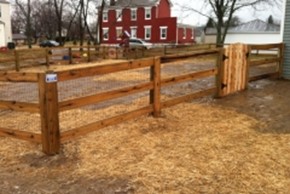
Fencing can increase curb appeal, property value, and prevent break-ins. In some
markets, it can be the differentiating factor that convinces buyers to choose one property over another.
For example, in suburban or rural areas, where homes are often spread out and yards are larger, a solid and
aesthetically pleasing perimeter boundary can enhance the property’s appeal and functionality. In urban
settings, where space is limited, a fence can provide the much-desired privacy in a neighborhood with closely
spaced homes. Similarly, homes in areas with families with children or pets may find that a secure perimeter
becomes a highly sought-after feature, adding to the property’s value.
Factors to Consider
While the right enclosure can undoubtedly increase property value, it’s important to choose wisely. Here are some
key factors to consider before installation:
Material: The material plays a significant role in both appearance and longevity. Wood is
traditional and cost-effective but requires regular maintenance to prevent rot. Vinyl is low-maintenance and
durable but may not provide the same rustic charm as wood. Wrought iron and aluminum are long-lasting and
stylish materials, but they can be more expensive. Choose a material that fits your budget, the climate in your
area, and the overall style of your home.
Height and Style: The height should be considered in relation to the level of privacy you want.
A standard picket might offer some boundary definition, but solid wood or vinyl is better suited for full
privacy. The style should also complement your home’s architecture. A tall, imposing iron perimeter may be
better suited to a stately home, while a simple wooden option could be more appropriate for a quaint cottage.
Compliance with Local Regulations: Before installation, check your local zoning laws and
regulations to ensure that you are in compliance with height restrictions, property line setbacks, and material
restrictions. In some areas, you may need a permit or approval from a homeowner’s association before proceeding
with the project.
Maintenance: Consider the long-term maintenance needs. Choose a product that aligns with your
ability to care for it and keep it looking good over time.
Installation Costs: While it may be tempting to save on labor costs by installing yourself note
that improper installation can lead to a product that doesn’t last as long or provide the desired functionality.
Hiring professionals ensures that it is installed correctly.
Conclusion
The right fence does more than just mark the boundary of your property—it enhances the curb appeal, provides
privacy, improves security, and ultimately increases the value of your home. Whether you’re considering selling
in the near future or simply looking to make your living space more functional, a well-chosen material is a
smart investment. Just be sure that the height and style to complement your home and neighborhood, and you’ll
soon reap the rewards of a more valuable, more attractive property.